The UK’s energy infrastructure is entering one of the most significant periods of transformation in its history. As electrification accelerates across transport, industry, and the built environment.
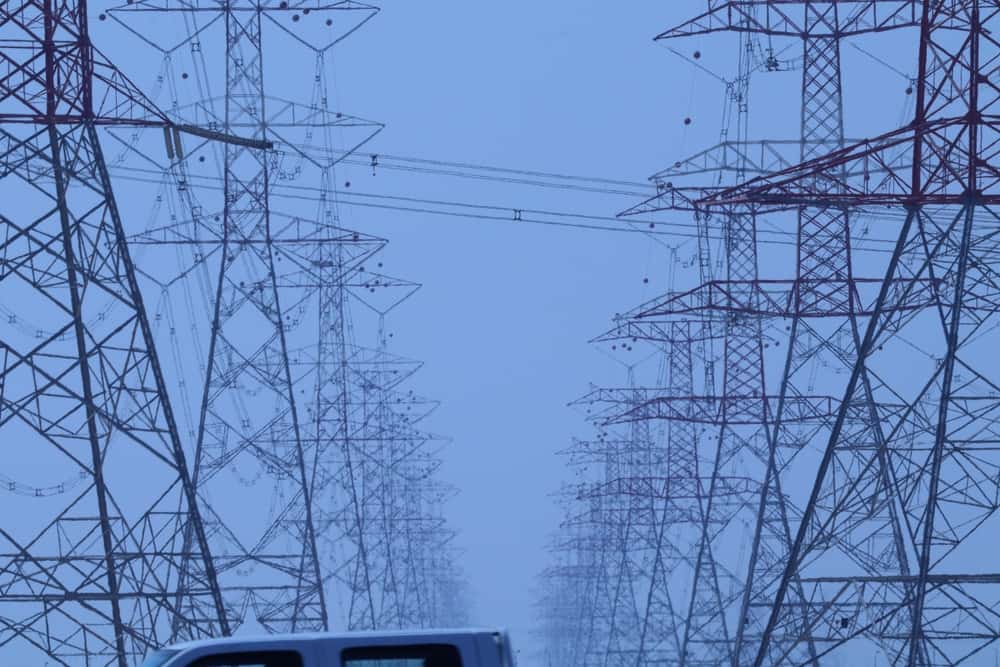
The UK’s energy infrastructure is entering one of the most significant periods of transformation in its history. As electrification accelerates across transport, industry, and the built environment, the pressure being placed on the national grid is increasing at an unprecedented pace. From electric vehicle charging and battery energy storage systems (BESS) to large-scale renewable generation projects, the demand for robust, flexible, and future-ready infrastructure has never been greater.
At Green Engineering Ltd, we are seeing first-hand how the energy transition is reshaping the requirements placed upon substations, cable infrastructure, protection systems, and grid connection design. What was once considered sufficient capacity planning is rapidly becoming outdated as developers, utilities, and independent connection providers work to keep pace with growing demand.
One of the most significant challenges facing the UK grid today is not generation capability, but infrastructure readiness. Renewable energy projects continue to scale rapidly, yet many schemes are delayed by network constraints, compliance requirements, and the complexities of integrating new technologies into ageing systems. This is where experienced engineering and delivery partners become critical.
Modern substations are no longer simply passive connection points. They are increasingly intelligent, data-driven assets that must accommodate variable renewable generation, dynamic load balancing, battery storage integration, and stringent protection coordination requirements. Whether operating at 33kV, 132kV, or 400kV, today’s infrastructure must be engineered with flexibility and long-term resilience in mind.
Battery Energy Storage Systems are playing an especially important role in supporting this transition. As renewable generation becomes a larger percentage of the UK’s energy mix, grid stability and frequency balancing become more complex. BESS infrastructure helps smooth fluctuations, manage peak demand, and provide critical balancing services to the network. However, integrating these systems successfully requires detailed engineering coordination, grid code compliance, protection studies, and careful consideration of both DNO and National Grid requirements.
The push toward net zero is also driving major investment into transmission and distribution infrastructure upgrades. The “Great Grid Upgrade” programme is accelerating the need for experienced principal contractors, ICPs, and specialist engineering consultants capable of delivering compliant, adoptable infrastructure safely and efficiently.
At Green Engineering Ltd, we continue to support developers, utilities, and infrastructure partners across a wide range of renewable and energy projects throughout the UK. Our expertise spans HV and EHV substations, protection and control systems, cable route design, grid compliance, renewable integration, and engineering management services.
As the UK moves deeper into the electrification era, resilient infrastructure will become one of the defining factors of successful energy transition projects. Delivering that infrastructure safely, compliantly, and efficiently is where engineering experience matters most.
Green Engineering Ltd remains committed to supporting the future of sustainable energy infrastructure through practical engineering expertise, technical excellence, and a deep understanding of the evolving grid landscape.

14 May 2026

5 May 2026
Interested in learning how we can help your business with sustainable energy solutions?
Contact Us