As the UK accelerates toward its net zero targets, Battery Energy Storage Systems (BESS) are rapidly emerging as one of the most critical components of modern energy infrastructure. No longer viewed as a supplementary technology

As the UK accelerates toward its net zero targets, Battery Energy Storage Systems (BESS) are rapidly emerging as one of the most critical components of modern energy infrastructure. No longer viewed as a supplementary technology, BESS is now central to enabling renewable integration, stabilising the grid, and ensuring energy security.
The challenge facing the UK grid is clear: renewable energy sources such as wind and solar are inherently intermittent. Generation does not always align with demand, creating volatility that traditional infrastructure was never designed to handle. Battery energy storage bridges this gap by capturing excess energy during periods of high generation and releasing it when demand peaks.
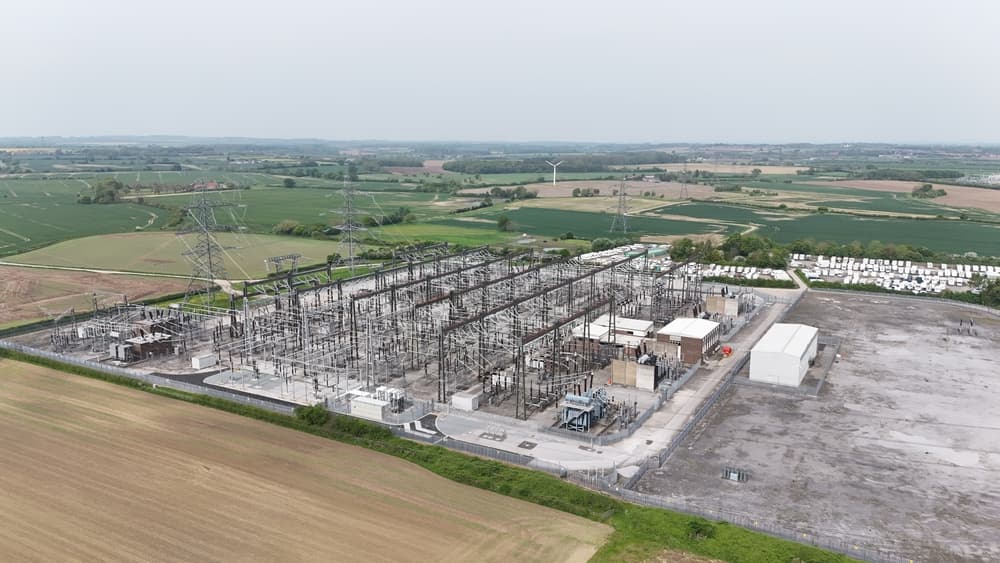
From a grid engineering perspective, the rise of BESS is driving a fundamental shift in how substations and connection infrastructure are designed and delivered. Projects now routinely include co-located solar and battery assets, requiring more sophisticated control systems, enhanced protection schemes, and strict compliance with evolving standards such as G99 and the Grid Code.
At transmission and distribution levels alike, battery storage is playing a vital role in providing ancillary services. Frequency response, voltage support, and black start capability are just a few of the services that BESS can deliver with speed and precision far beyond conventional generation. This responsiveness is key to maintaining grid stability as fossil fuel-based inertia declines.
However, the integration of BESS is not without its challenges. Developers must navigate complex planning requirements, land constraints, fire safety considerations, and increasingly rigorous compliance frameworks. The need for coordination between Independent Connection Providers (ICPs), Distribution Network Operators (DNOs), and National Grid Electricity Transmission (NGET) has never been greater.
This is where experienced engineering partners add real value. Delivering a BESS-enabled connection requires not only technical expertise across primary and secondary systems, but also a deep understanding of utility standards, adoption requirements, and the end-to-end project lifecycle—from feasibility through to energisation.
Green Engineering continues to support developers across the UK in delivering complex grid connections that incorporate battery energy storage. Whether acting as principal contractor, engineering consultant, or ICP, the focus remains the same: simplifying complexity, ensuring compliance, and enabling the transition to a cleaner, more resilient energy system.
As the energy landscape evolves, one thing is certain—battery storage is no longer optional. It is the backbone of a flexible grid and a cornerstone of the UK’s sustainable future.

23 March 2026
22 March 2026
Interested in learning how we can help your business with sustainable energy solutions?
Contact Us