Energy Becomes a Strategic Target. The ongoing escalation involving Iran has placed global energy infrastructure under unprecedented strain, with critical assets increasingly becoming direct targets
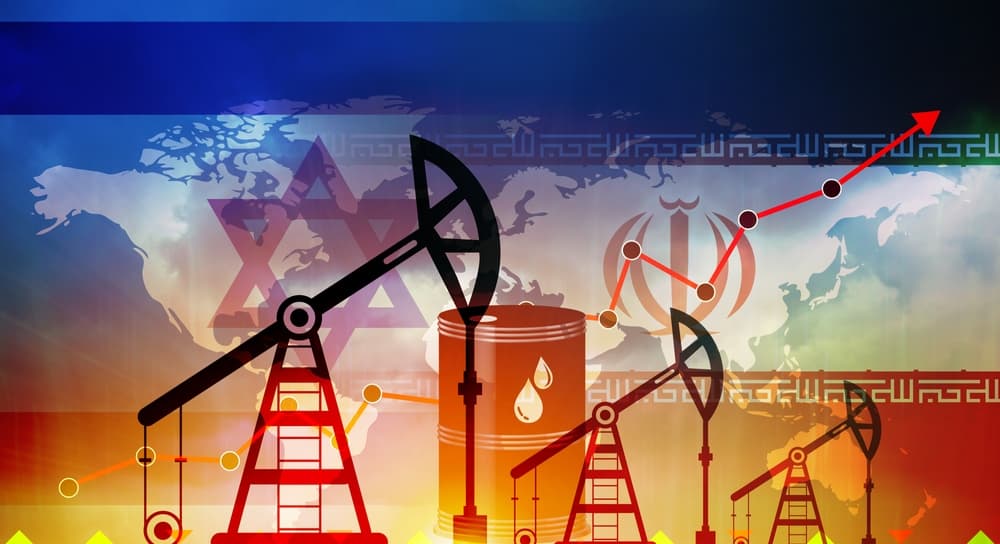
The ongoing escalation involving Iran has placed global energy infrastructure under unprecedented strain, with critical assets increasingly becoming direct targets in a rapidly intensifying geopolitical conflict. From power plants and oil terminals to shipping routes and grid systems, the situation is exposing fundamental vulnerabilities across the global energy landscape.
Recent developments have seen explicit threats against energy infrastructure across the Middle East. Iranian officials have warned that any attack on domestic power generation assets would trigger retaliatory strikes on regional oil, gas, and electricity infrastructure, raising the prospect of widespread disruption across multiple countries.
Historically, energy infrastructure has been treated as a strategic asset—but rarely as an active battlefield. That paradigm is now shifting. Reports indicate that energy facilities across the Persian Gulf are increasingly viewed as legitimate military targets, significantly raising the stakes for both regional and global energy security.
This escalation has already had tangible consequences. Oil prices have surged above $100 per barrel, with analysts warning of potential supply losses of up to 10 million barrels per day if infrastructure damage continues. The Strait of Hormuz—a critical maritime chokepoint responsible for roughly 20% of global oil and LNG flows—remains at the centre of the crisis, with threats of closure amplifying fears of a prolonged supply shock.
Beyond oil and gas, the risks extend deep into interconnected energy systems. Power grids, desalination plants, and digital control systems are all increasingly at risk of disruption. Iran has signalled that retaliation could include attacks on electricity networks, water infrastructure, and even IT systems—highlighting the systemic nature of modern energy dependencies.
The consequences are already being felt globally. The International Energy Agency has warned that the current crisis could rival or exceed the oil shocks of the 1970s, with cascading effects across petrochemicals, fertilisers, and industrial supply chains.
In Europe and the UK, energy-intensive industries are facing rising costs and supply uncertainty, underscoring how regional conflicts can rapidly translate into domestic economic pressure.
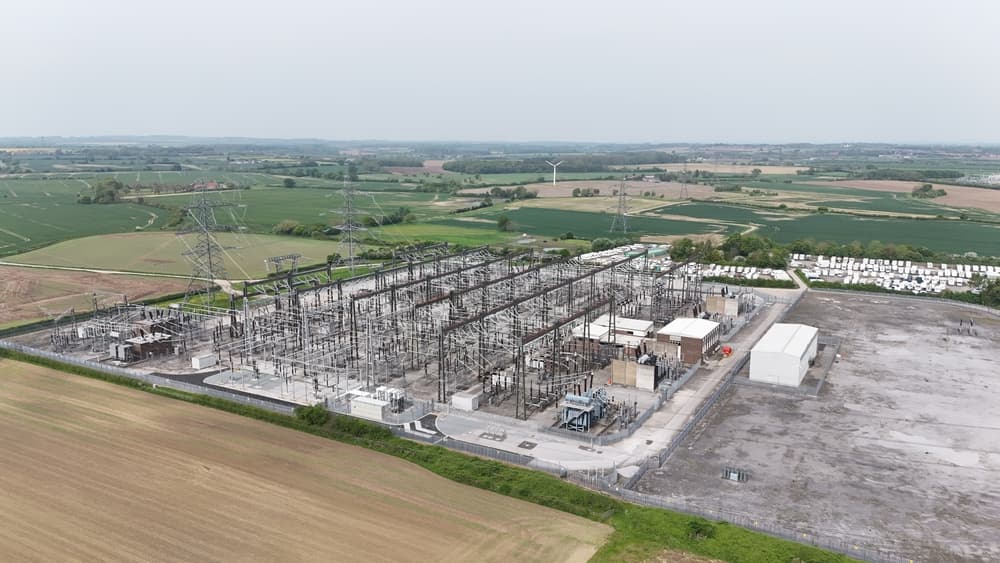
For the engineering and energy sectors, this crisis reinforces the urgent need for resilient, decentralised, and secure infrastructure. Traditional centralised systems—large power stations, single-point transmission corridors, and concentrated oil export hubs—are proving increasingly vulnerable in modern conflict scenarios.
The transition toward distributed energy systems, renewable generation, and smart grid technologies is no longer solely about decarbonisation—it is now a matter of national and economic security.
At the same time, the role of engineering partners, independent connection providers, and substation contractors becomes even more critical. Ensuring robust design, compliance with grid codes, and secure integration of new assets is essential to maintaining stability in an increasingly volatile environment.
As tensions continue to rise, the targeting—or even the threat—of energy infrastructure is likely to remain a defining feature of the conflict. The global energy system is entering a new era where resilience, redundancy, and security must be engineered into every layer of infrastructure.
For organisations operating within the sector, the message is clear: the future of energy is not only green—it must also be secure, adaptable, and built to withstand disruption at scale.

12 April 2026
22 March 2026
Interested in learning how we can help your business with sustainable energy solutions?
Contact Us