
Our Impact
Making a Difference
At GreenEngineering, we've helped reduce global carbon emissions by over 50 million tons through our innovative sustainable solutions.
Learn about our impactAt GreenEngineering, we've helped reduce global carbon emissions by over 50 million tons through our innovative sustainable solutions.
Learn about our impactAs the UK accelerates toward a low-carbon future, the conversation around renewable energy is shifting. It is no longer just about generation capacity, but about whether the electricity grid itself is ready to support the pace of change.
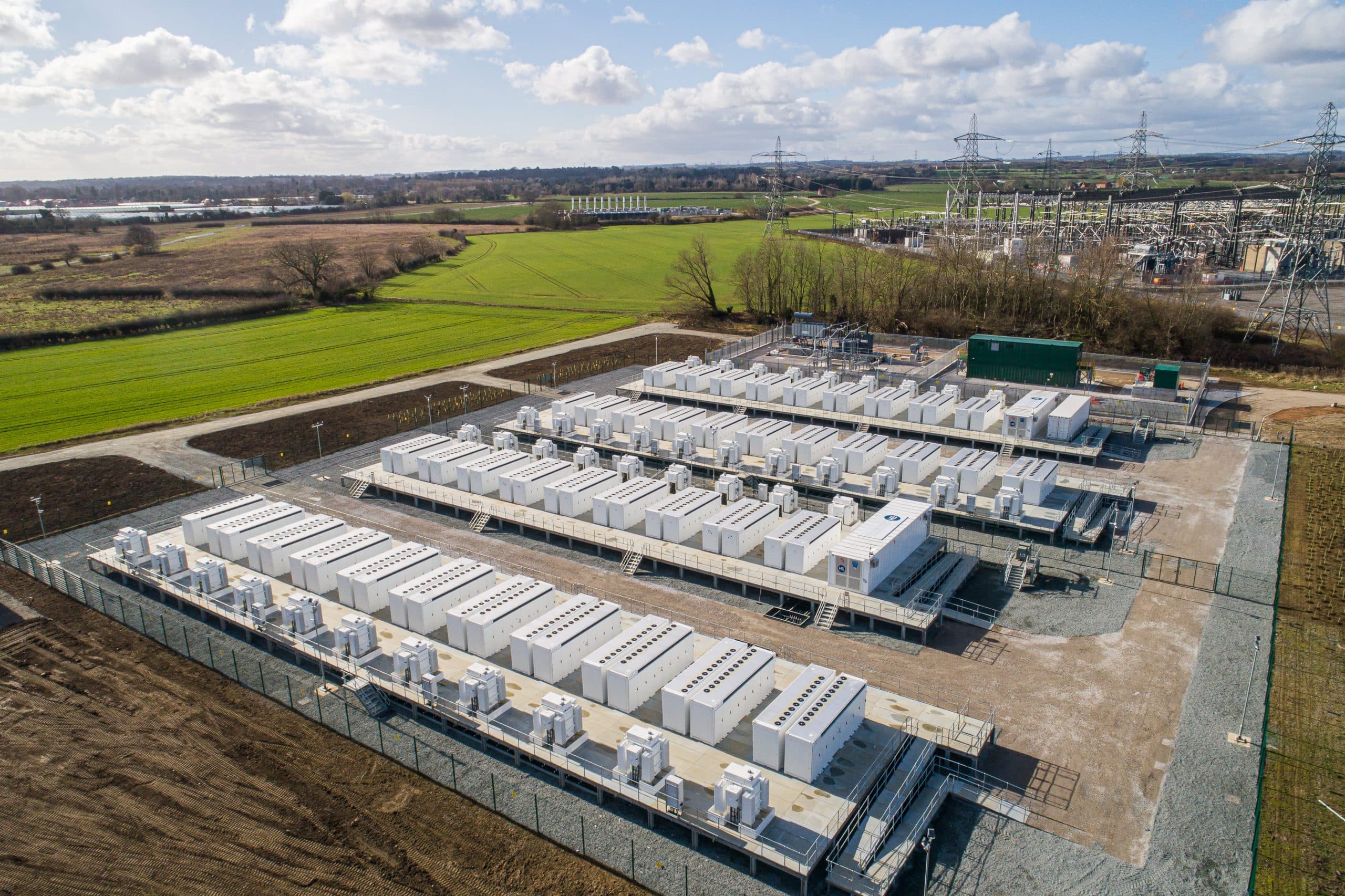
As the UK accelerates toward a low-carbon future, the conversation around renewable energy is shifting. It is no longer just about generation capacity, but about whether the electricity grid itself is ready to support the pace of change.
With record levels of solar, wind, and battery energy storage projects progressing through planning and construction, the spotlight is firmly on grid resilience. Substations, protection systems, and network compliance have become critical enablers of the energy transition — and in many cases, the limiting factor.
Across the industry, developers are encountering increasing challenges around connection timescales, technical compliance, and system constraints. These pressures are being felt most acutely at the distribution and transmission interface, where ageing infrastructure must now accommodate bidirectional power flows, higher fault levels, and complex control strategies introduced by BESS and hybrid assets.
This is where green engineering must go beyond sustainability rhetoric and focus on robust, compliant, and future-proofed electrical design.
Modern grid connections demand far more than simply installing assets and energising plant. They require deep understanding of:
Grid and Distribution Code compliance
Protection and control coordination
Primary and secondary substation design
Interface management with DNOs and National Grid
Long-term operational resilience
As standards evolve and networks become more dynamic, engineering quality is increasingly under scrutiny. Poorly coordinated protection schemes or non-compliant designs do not just delay projects — they introduce risk to the wider system.
The UK’s push toward electrification of transport, heating, and industry only amplifies this reality. A resilient grid is not built overnight; it is engineered deliberately, connection by connection.
In this environment, independent engineering expertise plays a vital role. Developers and asset owners need partners who understand both the technical detail and the regulatory landscape, and who can bridge the gap between project ambition and network reality.
Well-designed substations, compliant protection systems, and carefully managed grid interfaces are no longer optional extras — they are foundational to delivering renewable projects on time and at scale.
At Green Engineering, our work is rooted in this principle: making complex grid connections simple, compliant, and dependable. By focusing on engineering integrity and early engagement with network operators, we help ensure that renewable energy assets strengthen the grid rather than strain it.
As the UK energy system continues to evolve, grid resilience will remain one of the defining challenges of the decade. The projects that succeed will be those underpinned by strong engineering, clear compliance pathways, and a long-term view of network performance.
Green engineering is not just about what we connect today — it is about building infrastructure that will stand up to tomorrow.
3 February 2026
29 January 2026
Interested in learning how we can help your business with sustainable energy solutions?
Contact Us