
Our Impact
Making a Difference
At GreenEngineering, we've helped reduce global carbon emissions by over 50 million tons through our innovative sustainable solutions.
Learn about our impactAt GreenEngineering, we've helped reduce global carbon emissions by over 50 million tons through our innovative sustainable solutions.
Learn about our impactAs the UK moves deeper into an electrified future, one thing is becoming increasingly clear: the grid doesn’t fail loudly — it fails subtly.
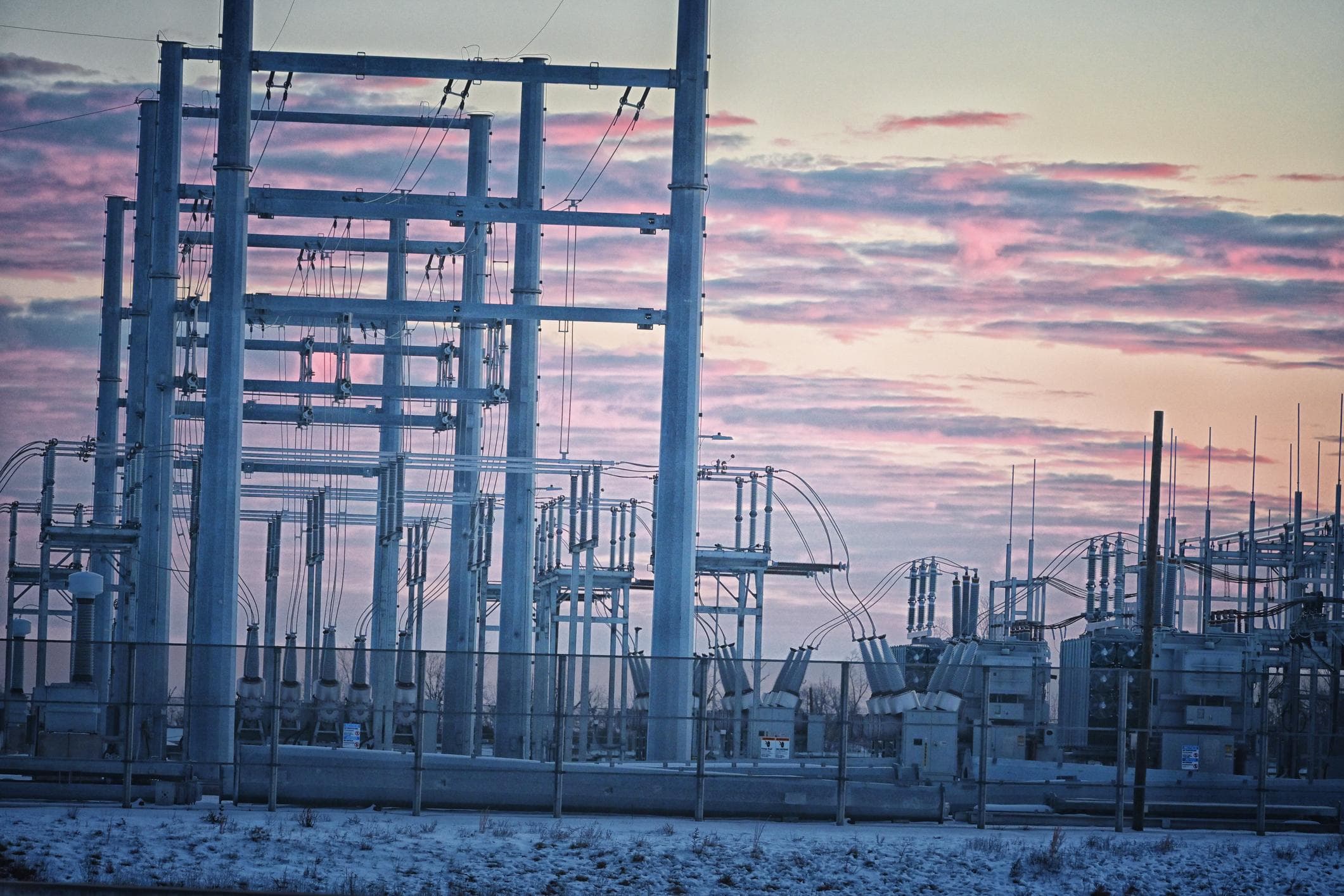
As the UK moves deeper into an electrified future, one thing is becoming increasingly clear: the grid doesn’t fail loudly — it fails subtly.
A brief voltage dip. A delayed connection. A constraint notice issued at short notice. None of these make headlines, but together they shape how reliable, affordable, and future-ready our energy system really is.
In early 2026, conversations across the energy sector have been dominated by resilience — not just in response to extreme weather events, but in anticipation of them. From winter storms and summer heatwaves to the sheer complexity introduced by renewable generation and battery storage, the grid is being asked to do more than it was ever originally designed for.
When people think about grid resilience, they often picture dramatic interventions: emergency repairs, fault response teams, or major infrastructure upgrades. In reality, resilience is quietly built months or years earlier, during design, compliance, and construction.
Every substation extension, spare bay, protection upgrade, or cable route is a chance to either add fragility — or remove it.
At Green Engineering, this philosophy underpins how projects are approached. Whether delivering EHV and HV substation works, managing user self-build assets, or coordinating grid connections for renewable developers, the goal is always the same: design and deliver assets that behave predictably under stress.
That means:
Clear, compliant protection and control philosophies
Robust primary and secondary asset selection
Construction sequencing that minimises operational risk
Absolute alignment with Grid Code, Distribution Code, and utility safety rules
None of it is glamorous — all of it is essential.
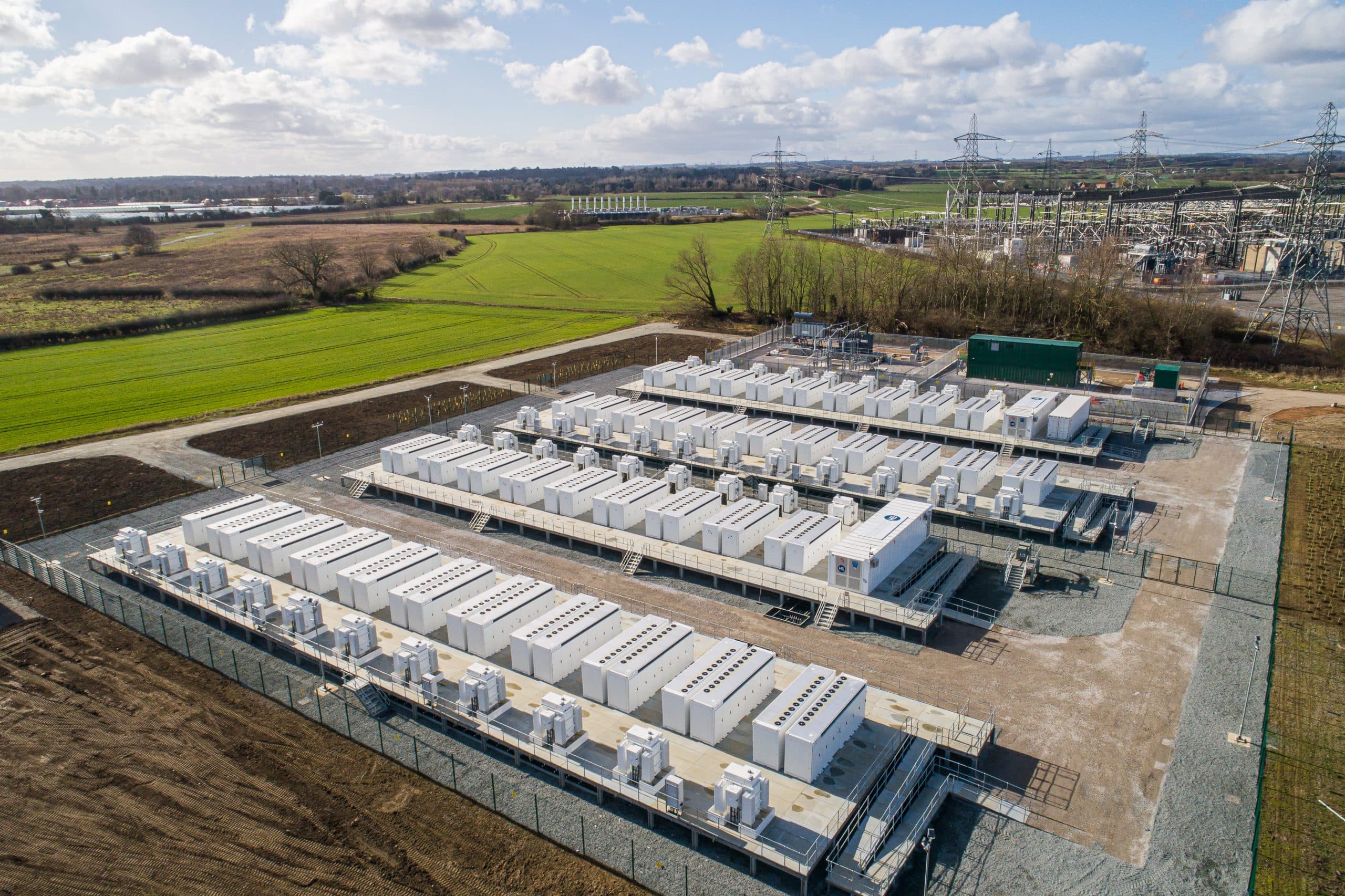
Battery Energy Storage Systems (BESS) and large-scale solar have transformed the way power flows across the network. Assets that once behaved passively are now dynamic, fast-responding, and highly interactive.
This shift doesn’t reduce the need for engineering discipline — it increases it.
Connections must now account for:
Fault level impacts
Protection coordination across multiple voltage levels
Export and import scenarios
Compliance with evolving standards and network operator requirements
Independent Connection Providers (ICPs) play a critical role here, acting as the bridge between developers, DNOs, and the transmission system. When done well, this model accelerates delivery without compromising safety or compliance.
The energy sector is rightly excited about AI, automation, and digital twins — and these tools will absolutely shape the future of grid operation. But the foundation they sit on is still physical: steel, copper, relays, cables, and concrete.
Resilience is not built by buzzwords. It’s built by:
Engineers who understand utility standards inside-out
Contractors who respect live systems
Designers who think beyond minimum compliance
In a world racing toward net zero, the most valuable engineering often goes unnoticed — until something goes wrong.
At Green Engineering, the focus remains on making sure it doesn’t.
9 February 2026
29 January 2026
Interested in learning how we can help your business with sustainable energy solutions?
Contact Us