The transition to renewable energy often focuses on the technologies that generate clean power—solar farms, wind turbines, and battery storage systems.
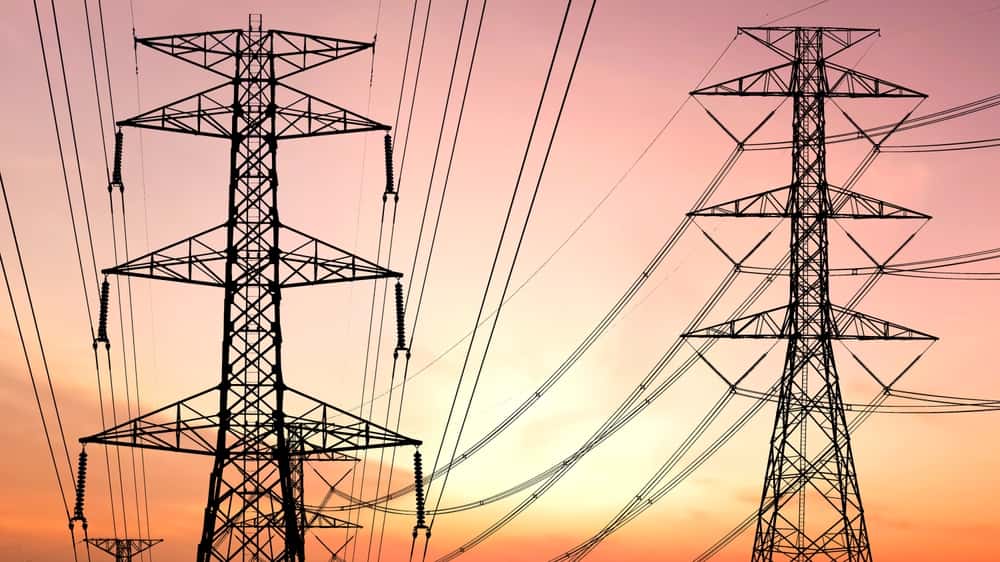
The transition to renewable energy often focuses on the technologies that generate clean power—solar farms, wind turbines, and battery storage systems. However, behind every renewable project is a critical layer of infrastructure that rarely receives the same attention: the electricity grid and the substations that make large-scale power delivery possible.
As the UK accelerates its journey toward net zero, grid infrastructure is becoming one of the most important enabling technologies in the entire energy ecosystem.
Renewable energy generation is fundamentally different from traditional fossil fuel power plants. Instead of a few large, centralized power stations, modern energy systems rely on thousands of distributed assets—solar farms, wind projects, and battery energy storage systems (BESS)—connecting to the network at different voltages and locations.
This shift creates a significant engineering challenge.
Grid infrastructure must now be capable of managing:
Variable power generation from renewable sources
Bidirectional energy flows across the network
Increased grid connection applications from developers
More complex compliance requirements under UK grid and distribution codes
Substations therefore play a crucial role in ensuring renewable energy can be safely and reliably integrated into the electricity network.
Modern substations are far more than simple connection points. They are sophisticated systems responsible for transforming voltage levels, protecting the network, and maintaining stability across the grid.
At transmission and distribution levels—including 400kV, 132kV, 66kV and 33kV infrastructure—substations enable energy generated by renewable assets to be stepped up or stepped down and delivered efficiently across the network.
For renewable developers, this means that well-designed substations are essential to achieving a successful grid connection.
Engineering considerations often include:
Primary plant design and installation
Protection and control systems
Grid code and distribution code compliance
Cable route design and infrastructure integration
Coordination with National Grid and local Distribution Network Operators (DNOs)
Each of these elements must be carefully engineered to meet strict technical and safety requirements before any connection can be energised.
As an experienced substation contractor and independent connection provider (ICP), Green Engineering works closely with renewable developers, utilities, and infrastructure partners to simplify the grid connection process.
From early-stage engineering through to procurement, installation and commissioning, projects must meet rigorous regulatory standards including G99 compliance, utility specifications, and grid code requirements.
By providing a coordinated engineering approach, developers are able to navigate what is often a complex regulatory and technical landscape with greater confidence.
The UK’s ambition to rapidly expand renewable generation depends heavily on the ability of the grid to accept and distribute new power sources.
Grid upgrades, new substations, and network reinforcement projects are therefore becoming some of the most important infrastructure investments in the country.
Companies like Green Engineering are proud to support this transformation—helping developers bring renewable projects online while ensuring the electricity network remains safe, stable, and resilient.
While solar panels and wind turbines may capture the headlines, it is the engineering behind the grid that truly powers the energy transition.
31 May 2026

14 May 2026

5 May 2026
Interested in learning how we can help your business with sustainable energy solutions?
Contact Us