
Our Impact

Making a Difference
At GreenEngineering, we've helped reduce global carbon emissions by over 50 million tons through our innovative sustainable solutions.
Learn about our impactAt GreenEngineering, we've helped reduce global carbon emissions by over 50 million tons through our innovative sustainable solutions.
Learn about our impactAs the UK’s energy network transitions toward a smarter, more decentralised grid, Distribution Code Compliance has never been more critical.

As the UK’s energy network transitions toward a smarter, more decentralised grid, Distribution Code Compliance has never been more critical. The Distribution Code forms the backbone of the UK’s electrical distribution framework, setting out the technical and operational standards that ensure the safe, reliable, and efficient connection of generation and demand customers to the Distribution Network Operator (DNO) systems.
At Green Engineering, we see Distribution Code Compliance not as a box-ticking exercise but as a cornerstone of engineering integrity — ensuring that every project, from 11kV to 400kV, operates harmoniously within the wider power system.
The Distribution Code governs how users connect to and interact with the UK distribution system. It ensures that equipment, systems, and protection schemes align with the operational needs of DNOs and the National Grid Electricity System Operator (NGESO).
Compliance means:
Safety: preventing operational conflicts that could lead to faults or blackouts.
Reliability: ensuring consistent voltage, frequency, and fault-level performance across interconnected assets.
Future-proofing: enabling seamless integration of renewable generation, battery storage, and EV infrastructure.
In today’s rapidly changing grid, where distributed energy resources (DERs) and flexibility services are redefining the network’s boundaries, adherence to the Distribution Code protects both project developers and the national infrastructure.
As an Independent Connection Provider (ICP) and substation design specialist, Green Engineering embeds compliance throughout every stage — from initial feasibility through detailed design and commissioning. Our team ensures every system, relay, and interface aligns with the Distribution Code, Engineering Recommendations (G81, G99, P28, P29, etc.), and DNO-specific adoption requirements.
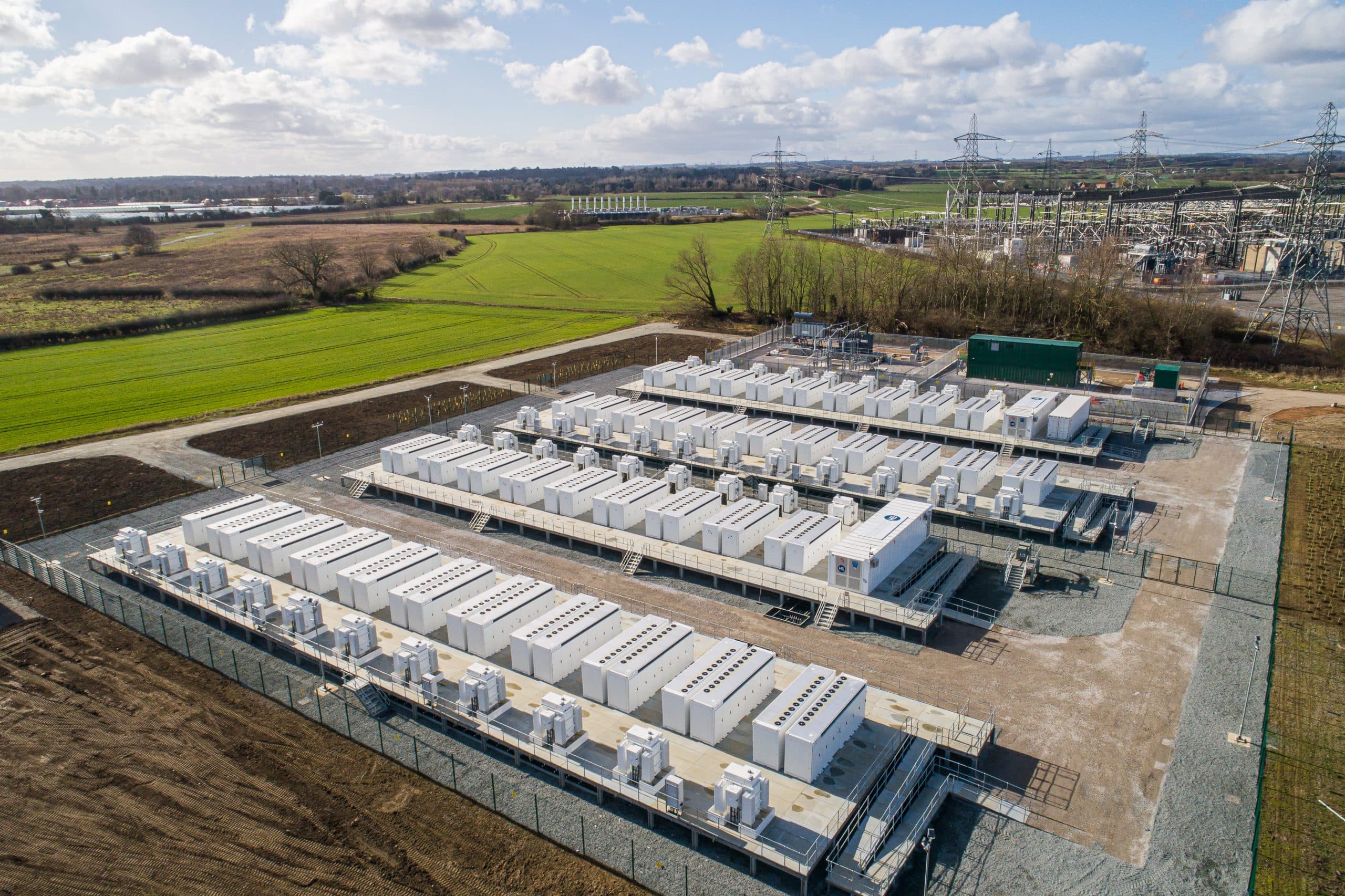
Our experience spans across voltage tiers — 33kV, 66kV, 132kV, and 400kV — and includes projects for both Distribution Network Operators (DNOs) and private developers, covering everything from primary substations to large-scale Battery Energy Storage Systems (BESS).
We see compliance as an enabler of innovation, allowing complex technologies to connect with confidence, efficiency, and long-term operational approval.
Compliance is not static — it evolves as the grid evolves. Our engineers actively engage with DNOs, National Grid, and regulatory bodies to stay ahead of updates to the Distribution Code and associated documents. This proactive stance ensures that every design we deliver is not only compliant on paper but resilient in practice.
From earth and protection coordination to SCADA integration and interface protection studies, we ensure end-to-end alignment with Distribution Code standards. We also facilitate smooth adoption processes by working directly with utility compliance teams — reducing project risk, avoiding costly redesigns, and shortening connection timescales.
As energy networks continue to decentralise, Distribution Code Compliance will remain the foundation of trust between independent developers, DNOs, and the national system operator. The future grid will depend on those who not only understand compliance but anticipate it.
At Green Engineering, we believe compliance is where engineering excellence and system reliability meet. It’s not a constraint — it’s the framework that enables progress.
9 February 2026
3 February 2026
29 January 2026
Interested in learning how we can help your business with sustainable energy solutions?
Contact Us